








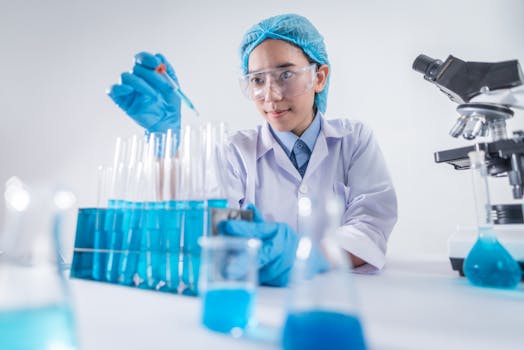
Imagine a world where the subtle aroma of lavender doesn’t just smell nice, but actively promotes relaxation, or where a citrusy scent can genuinely boost focus. This isn’t science fiction; it’s the tangible outcome of understanding and manipulating terpenes. For businesses operating in industries where scent and flavor play a critical role – from cannabis to perfumery, and even food and beverages – the sophisticated work happening within terp science labs is no longer a luxury, but a necessity for market leadership. These specialized facilities are where the magic of natural aromatic compounds is truly understood, replicated, and optimized, leading to products that not only appeal to the senses but also deliver targeted effects.
Beyond the Fragrance: The Core Mission of Terp Science Labs
At its heart, a terp science lab is dedicated to the identification, isolation, analysis, and synthesis of terpenes. These are the volatile organic compounds responsible for the distinct smells and flavors in plants, from the earthy notes of cannabis to the zesty punch of a lemon. However, their importance extends far beyond simple sensory appeal. Terpenes are increasingly recognized for their potential therapeutic properties, influencing everything from mood and stress levels to pain perception and inflammation. This multifaceted nature makes terp science labs invaluable for product developers seeking to create nuanced, effective, and sought-after consumer goods.
#### What Exactly Are We Analyzing?
The primary focus is, of course, terpenes themselves. However, the work often involves:
Cannabinoids: Particularly in the cannabis industry, labs will analyze alongside terpenes, as these compounds can work synergistically (the “entourage effect”).
Flavonoids: These compounds contribute to color and can also have antioxidant properties, complementing the sensory profile.
Volatile Organic Compounds (VOCs): A broader category that includes terpenes but also other aroma-contributing molecules.
The Analytical Arsenal: Tools of the Trade
The precision demanded by terp science necessitates sophisticated analytical instrumentation. It’s not just about smelling good; it’s about quantifiable, reproducible results.
#### Gas Chromatography-Mass Spectrometry (GC-MS)
This is the workhorse of terpene analysis. GC-MS separates volatile compounds based on their physical and chemical characteristics and then identifies them using a mass spectrometer. This allows labs to create a precise chemical fingerprint of a sample, detailing the specific terpenes present and their relative concentrations. I’ve seen firsthand how a subtle shift in the concentration of one terpene can dramatically alter the perceived scent profile, and GC-MS is the key to pinpointing these nuances.
Creating Your Desired Aroma: Synthesis vs. Extraction
Once analyzed, the question becomes how to best utilize this knowledge. Terp science labs offer two primary pathways: extraction from natural sources and synthetic replication.
#### Natural Extraction: Capturing the Source
Extracting terpenes directly from plants, like cannabis or citrus peels, aims to preserve the natural profile. Techniques like steam distillation or CO2 extraction are commonly employed.
Benefits: Offers the most authentic, complex aroma profiles.
Considerations: Can be dependent on agricultural yield, seasonality, and purity of the source material. The “entourage effect” with co-extracted compounds is often a significant benefit.
#### Synthetic Replication: Precision and Scalability
Synthesizing terpenes in a lab allows for precise control over the final product. Chemists can create individual terpenes or blend them to specific ratios, ensuring consistency and scalability.
Benefits: High purity, consistent batches, and the ability to create novel or hard-to-source profiles.
Considerations: Replicating the full complexity of a natural extract can be challenging; understanding the interaction of synthetic terpenes with other compounds is crucial.
Going Deeper: Understanding Terpene Synergies and Applications
The real power of terp science lies in understanding not just individual terpenes, but how they interact with each other and with other plant compounds. This is where the scientific rigor truly translates into tangible product benefits.
#### The Entourage Effect in Practice
For cannabis-derived products, understanding the entourage effect – the synergistic interaction between cannabinoids, terpenes, and other compounds – is paramount. A lab can help identify which terpene profiles best complement specific cannabinoid ratios to achieve desired effects, whether it’s relaxation, focus, or pain relief. It’s not just about THC or CBD; it’s about the holistic experience.
#### Elevating Beyond Cannabis: Diverse Industry Applications
The applications of terp science extend far beyond the cannabis industry.
Perfumery: Crafting unique, long-lasting, and complex fragrances.
Food & Beverage: Enhancing natural flavors, creating novel taste experiences, and improving shelf-life through antioxidant properties.
Aromatherapy: Developing precise blends for targeted therapeutic benefits, such as stress reduction or improved sleep.
Household Products: Infusing cleaning supplies and air fresheners with appealing and potentially mood-enhancing scents.
Choosing the Right Terp Science Partner: What to Look For
Selecting a terp science lab is a critical decision that impacts product quality and your brand’s reputation. Don’t just look for a lab; look for a partner.
#### Key Questions to Ask:
What specific analytical equipment do they use? (e.g., GC-MS, HPLC)
Do they offer both extraction and synthesis services?
What is their experience in your specific industry?
Can they provide detailed Certificates of Analysis (CoAs) with clear data?
Do they have a strong understanding of regulatory compliance relevant to your products?
* What is their process for quality control and batch-to-batch consistency?
Final Thoughts: Invest in Precision for Superior Products
Ultimately, engaging with terp science labs isn’t just about adding a pleasant smell; it’s about a strategic investment in product innovation, consumer satisfaction, and market differentiation. By leveraging advanced analytical techniques and a deep understanding of these fascinating compounds, you can unlock new levels of quality and efficacy.
Your next actionable step? Map out the specific sensory and functional goals for your current product line or upcoming innovations, and then identify a terp science lab whose expertise aligns directly with those ambitions.