









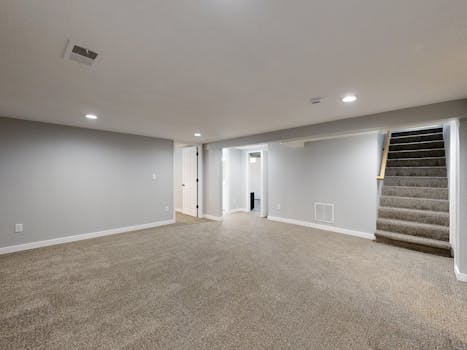
The allure of a transformed living space is powerful. We pore over design magazines, mentally rearrange furniture, and envision the perfect kitchen island. But lurking beneath this exciting vision is a crucial, often daunting, reality: the cost. For many homeowners, the leap from dream to tangible project is paralyzed by financial uncertainty. This is where a sophisticated house renovation calculator ceases to be a mere tool and becomes an indispensable strategic ally. It’s not about spitting out a single number; it’s about demystifying the intricate web of expenses that define any significant home improvement.
The Illusion of Simplicity: Why Gut Feelings Fail
Many approach renovation budgeting with a hopeful, albeit often inaccurate, estimation. They might add up the cost of a few key items – new countertops, a fresh coat of paint – and tack on a buffer, assuming that’s sufficient. However, in my experience, this approach is a fast track to budget overruns and stressful surprises. A truly effective house renovation calculator operates on a fundamentally different principle: granularity and informed projection. It acknowledges that a renovation is a complex ecosystem of labor, materials, permits, unexpected issues, and professional fees, each demanding its own meticulous assessment.
Deconstructing the Renovation Budget: Key Input Pillars
A robust house renovation calculator doesn’t just ask “how much do you want to spend?” It prompts you to consider where that money will go. Think of it as building a financial blueprint as detailed as your architectural one.
Material Costs: The Tangible Foundation
This is often the most visible component. A quality calculator will break down material expenses by room or project type:
Flooring: From hardwood and tile to laminate and carpet, each has a vastly different price point per square foot. Factors like complexity of installation (e.g., intricate tile patterns) also play a role.
Cabinetry & Countertops: For kitchens and bathrooms, these are significant investments. Options range from budget-friendly stock units to custom-built masterpieces.
Fixtures & Appliances: Think faucets, sinks, lighting, ovens, refrigerators. The range of quality and price here is immense.
Paint & Finishes: While seemingly minor, paint, trim, and hardware add up, especially for larger homes or high-end finishes.
Structural Materials: For more involved renovations, this includes lumber, drywall, insulation, and plumbing supplies.
Labor Costs: The Engine of Transformation
This is frequently the largest, and sometimes most opaque, segment of a renovation budget. A good calculator will help you estimate:
Skilled Trades: Electricians, plumbers, carpenters, tilers, HVAC technicians – their hourly rates and estimated project times are critical.
General Contractor Fees: If you’re not managing the project yourself, the GC’s fee (often a percentage of the total project cost) is a significant line item.
Demolition & Disposal: Removing old materials incurs labor and landfill fees.
Specialized Services: Don’t forget architects, designers, and structural engineers if your project requires them.
The Unseen Factors: Navigating Hidden Costs
This is where many projects falter. A truly insightful house renovation calculator will prompt you to consider elements that are easily overlooked:
Permits & Inspections: Local building departments have fees for permits and require inspections at various stages. These are non-negotiable.
Contingency Fund: This is arguably the most crucial element. Unexpected issues—rotted subflooring, outdated electrical, plumbing surprises—are not exceptions, but often the rule in older homes. A healthy contingency (typically 15-20% of the estimated cost) is vital.
Temporary Living Expenses: If your renovation is extensive and requires you to move out, factor in hotel stays or rental costs.
Landscaping & Exterior: Don’t forget that exterior damage can occur during construction, and you might want to refresh your landscaping post-renovation.
Beyond the Numbers: Strategic Benefits of a Calculator
Using a house renovation calculator offers more than just a projected cost; it fosters a strategic mindset.
#### Informed Decision-Making and Prioritization
When you see the estimated costs for different elements laid out, you can make more strategic choices. Perhaps the dream granite countertops can be swapped for a high-quality quartz to save money, or a less expensive flooring option in secondary bedrooms can fund a more luxurious master bath. It allows for trade-offs and helps you align spending with your highest priorities.
#### Securing Financing and Investor Confidence
For those seeking loans or presenting to investors, a detailed and well-researched budget is paramount. A calculator provides the data to support your financial requests, demonstrating a clear understanding of the project’s scope and financial demands.
#### Setting Realistic Expectations
The psychological benefit of knowing what to expect financially cannot be overstated. It reduces anxiety and allows you to approach the renovation with confidence rather than trepidation. It transforms the overwhelming prospect of “renovating” into a series of manageable financial steps.
Choosing the Right Calculator: What to Look For
Not all calculators are created equal. When selecting one, consider these features:
Customization: Does it allow for specific material selections and labor estimates?
Room-by-Room Breakdown: Can you input data for individual rooms or project types?
Inclusion of Soft Costs: Does it account for permits, design fees, and professional services?
Contingency Guidance: Does it prompt you to include a contingency fund?
User-Friendliness: Is the interface intuitive and easy to navigate?
I’ve often found that the most effective calculators are those that encourage detailed input, rather than offering a few broad categories. They push you to think critically about every aspect of the project.
Wrapping Up: The Calculator as a Catalyst for Confidence
Ultimately, a house renovation calculator is more than a numerical predictor; it’s a catalyst for informed action. It transforms the nebulous anxieties surrounding renovation costs into concrete, actionable data. By engaging with a sophisticated tool that prompts detailed consideration of materials, labor, and those often-elusive hidden expenses, homeowners can move beyond hopeful guesswork. This analytical approach not only sets realistic financial expectations but also empowers them to make strategic decisions, secure necessary funding, and navigate their renovation journey with an unprecedented level of confidence and control. It’s the foundation upon which a successful, stress-minimized renovation is built.